

How to prepare in ways that actually move you forward
1. STAR vs. CAR Interview Methods
The STAR method is a simple framework that helps you organize your thoughts and communicate your experience clearly during interviews. It gives structure to your answers so interviewers can easily understand what you did, how you approached challenges, and the impact of your work.
STAR stands for Situation, Task, Action, and Result. Together, these elements help you tell focused, meaningful stories without rambling or leaving out what matters most.
Below, you will find resources I created to walk you through the STAR method step by step. These documents include clear explanations, example questions, and a real world sample answer to show how STAR works in practice.
Use these materials as tools to help you prepare, reflect, and practice answering questions in a way that feels confident and authentic to you.
2. Types of Interviews
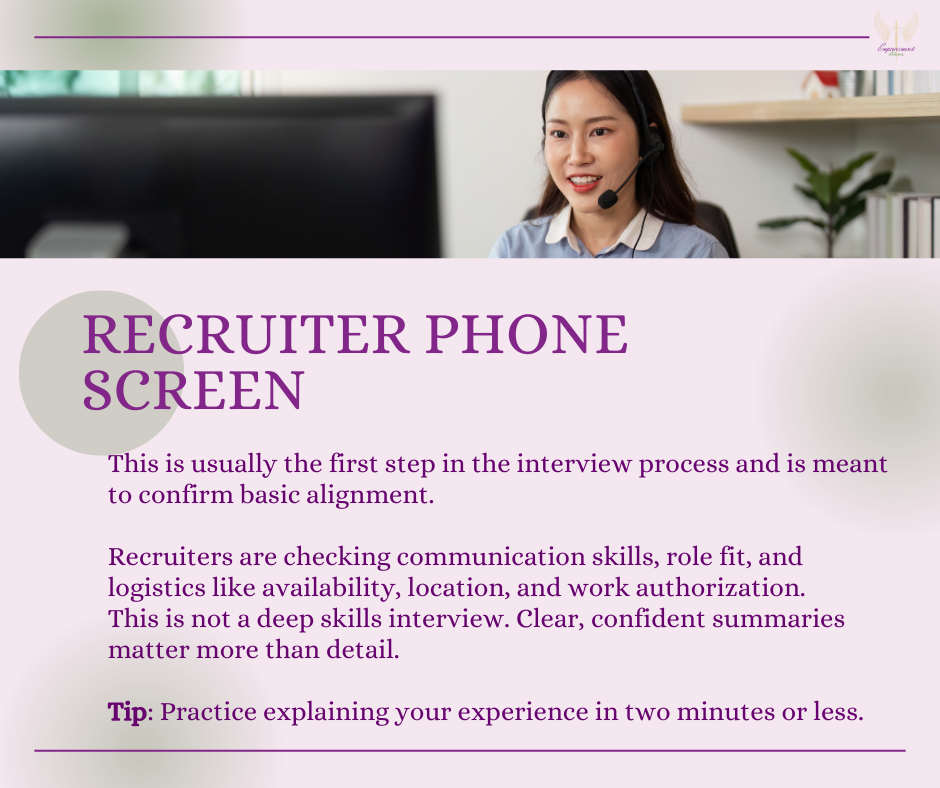
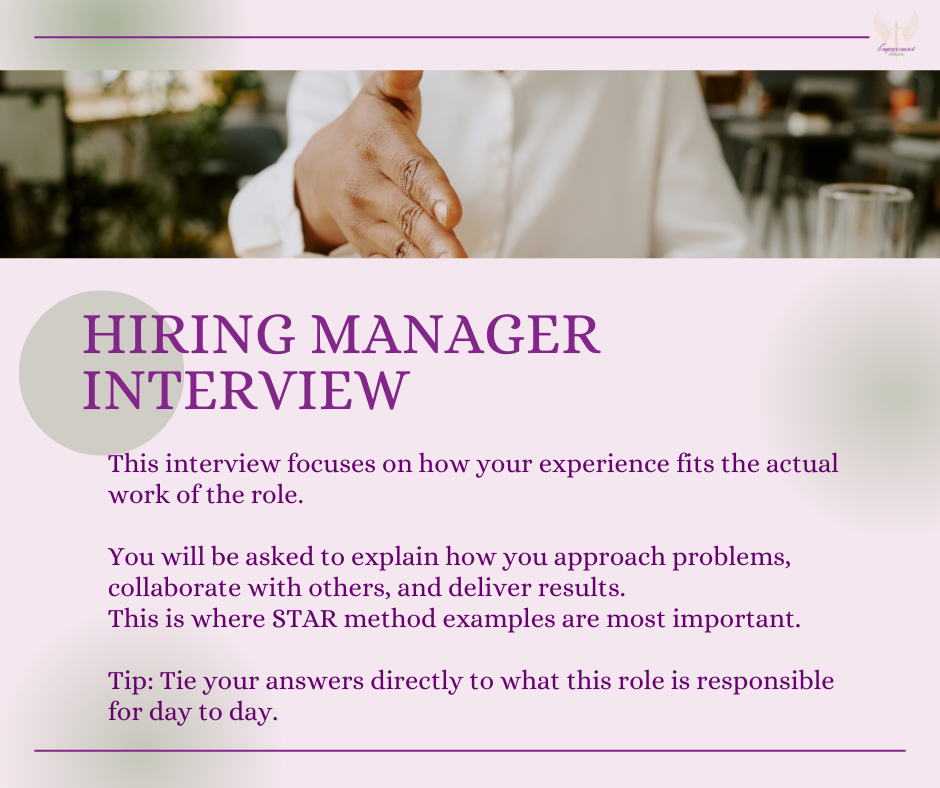
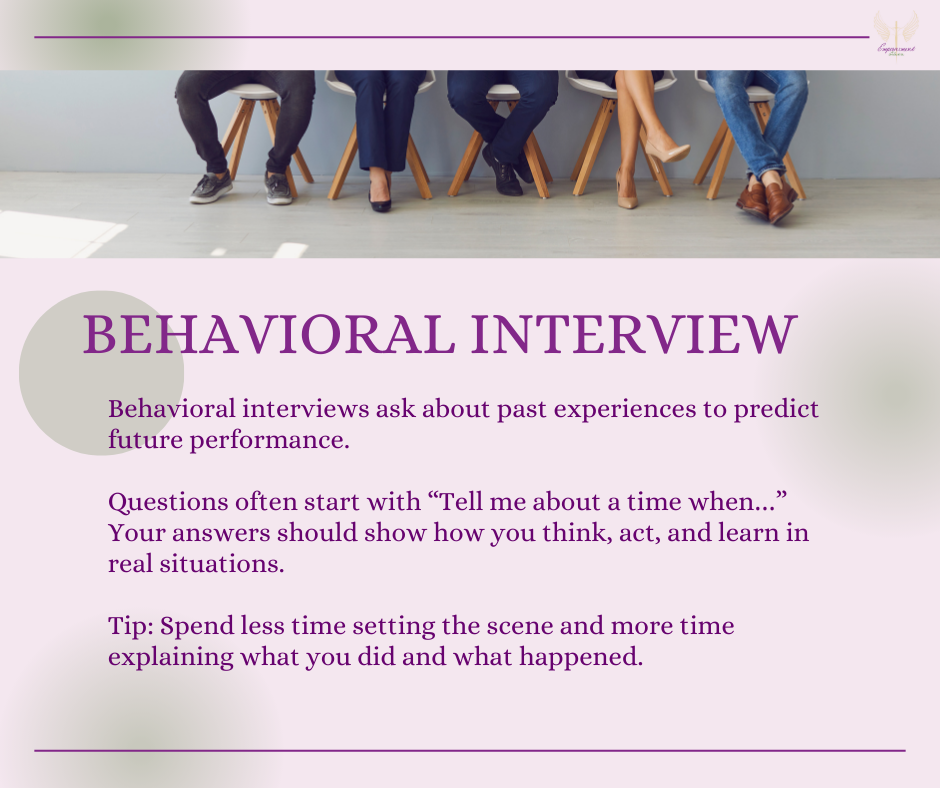
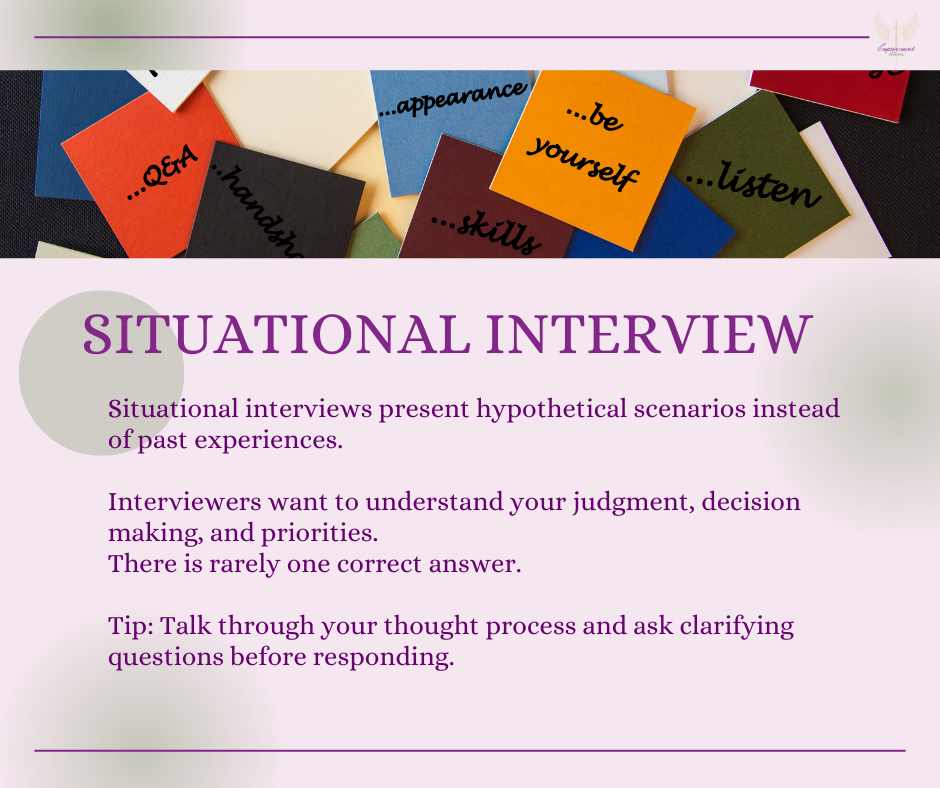
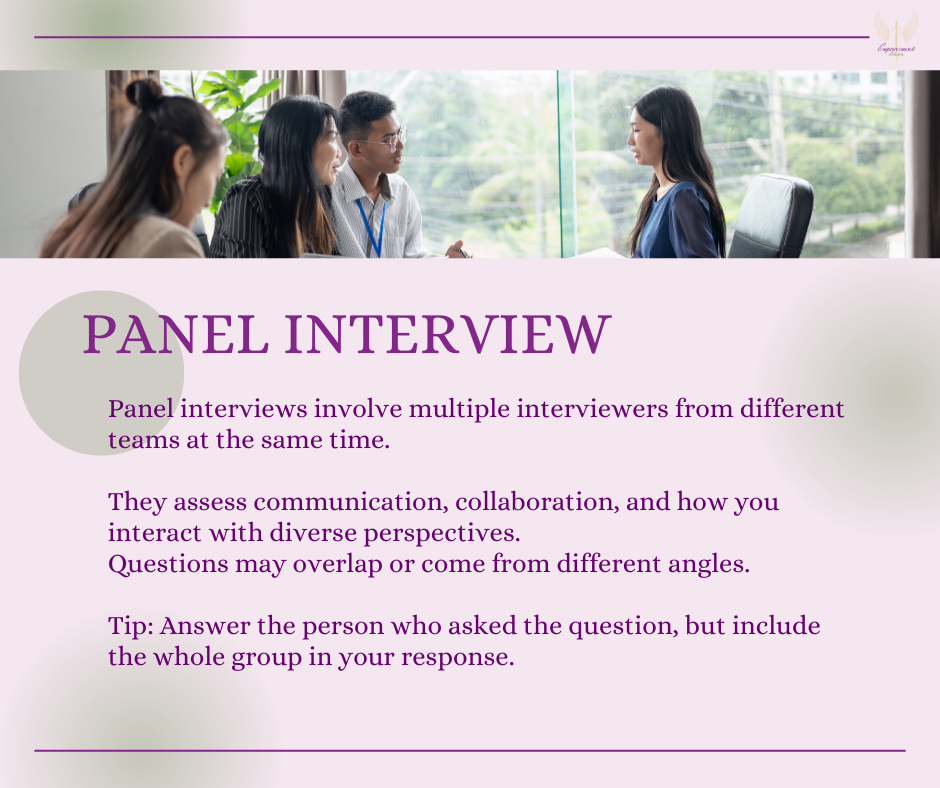
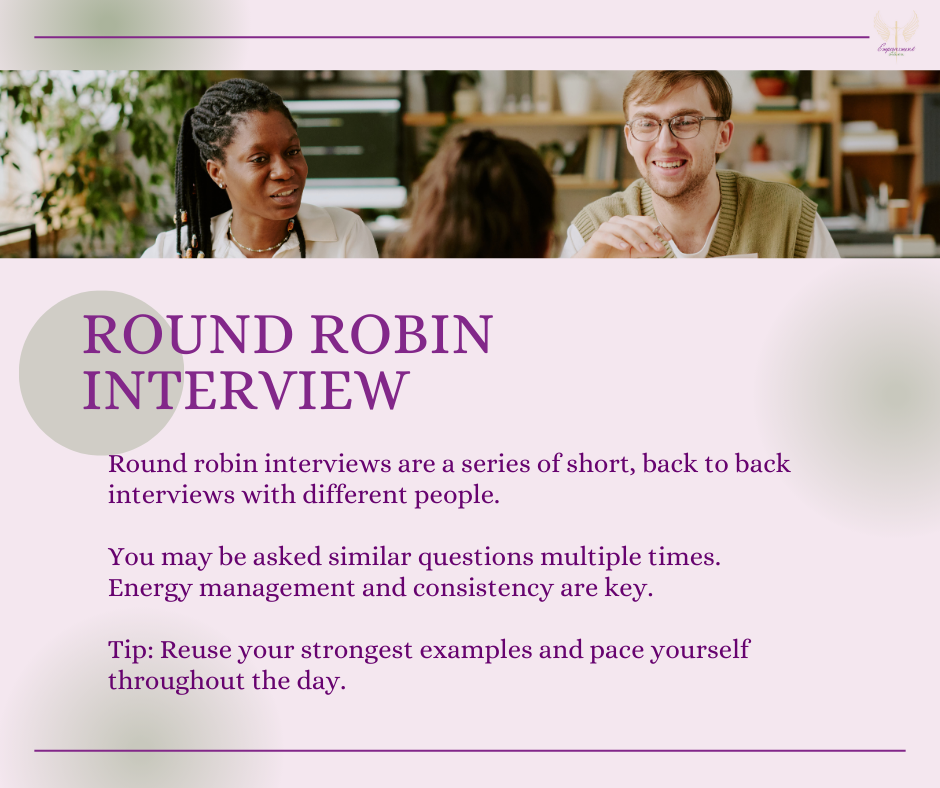
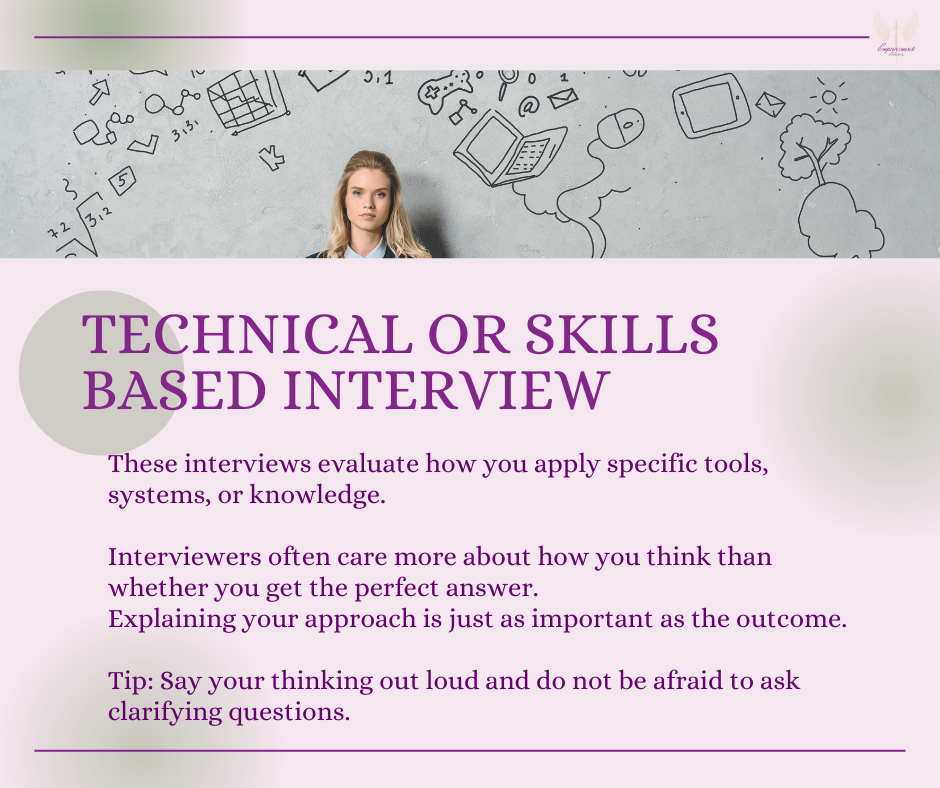
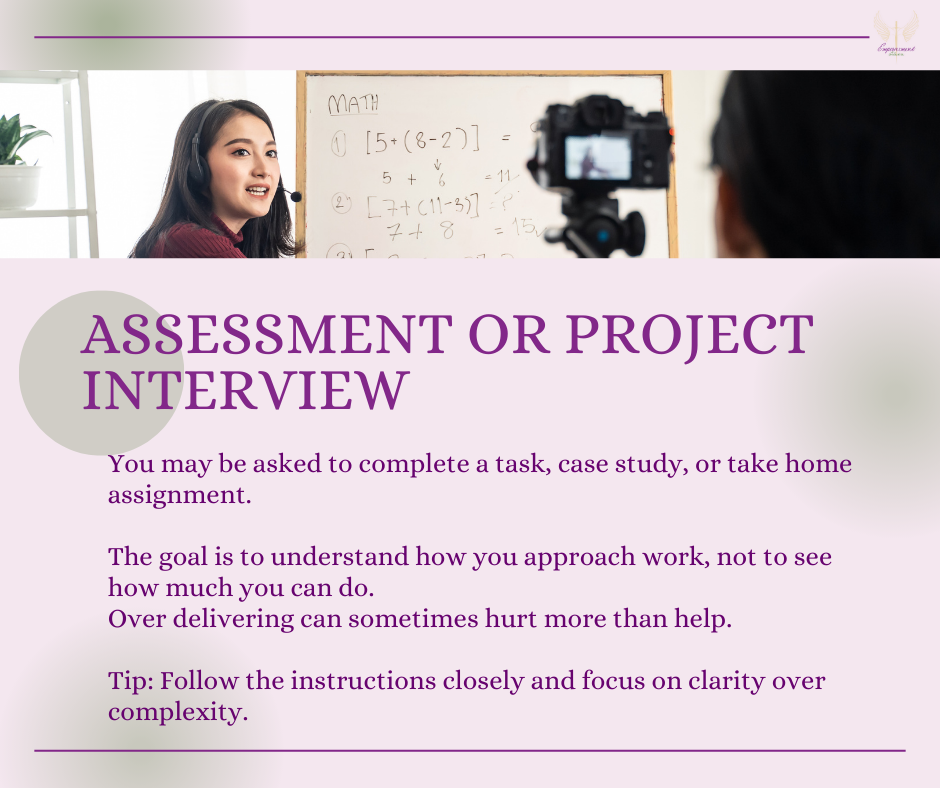
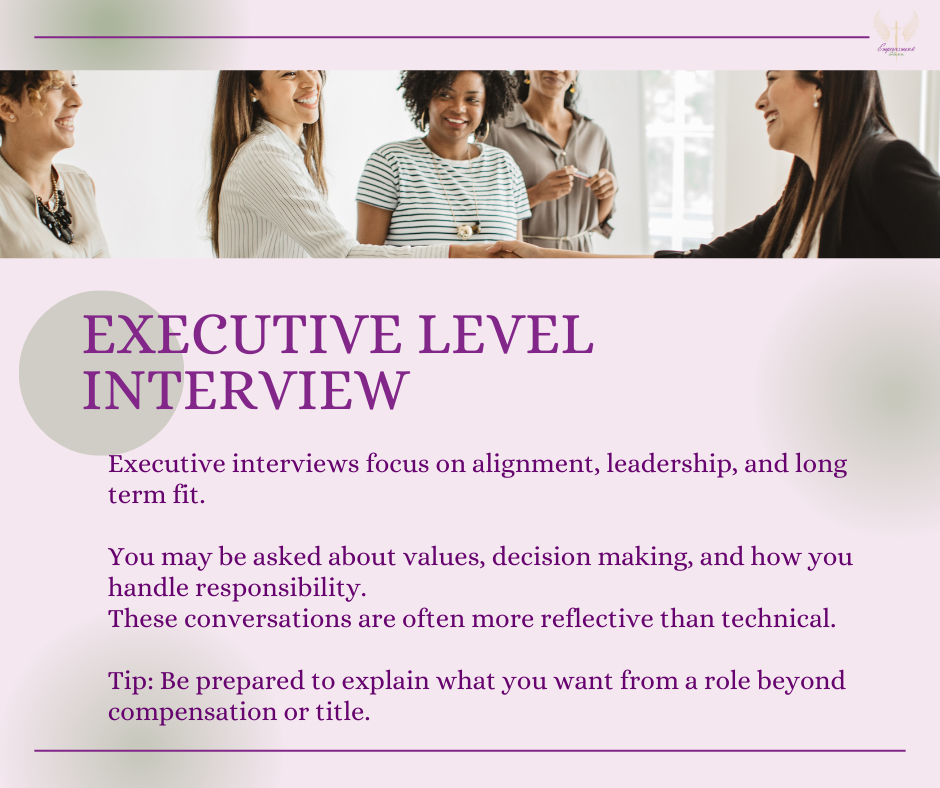
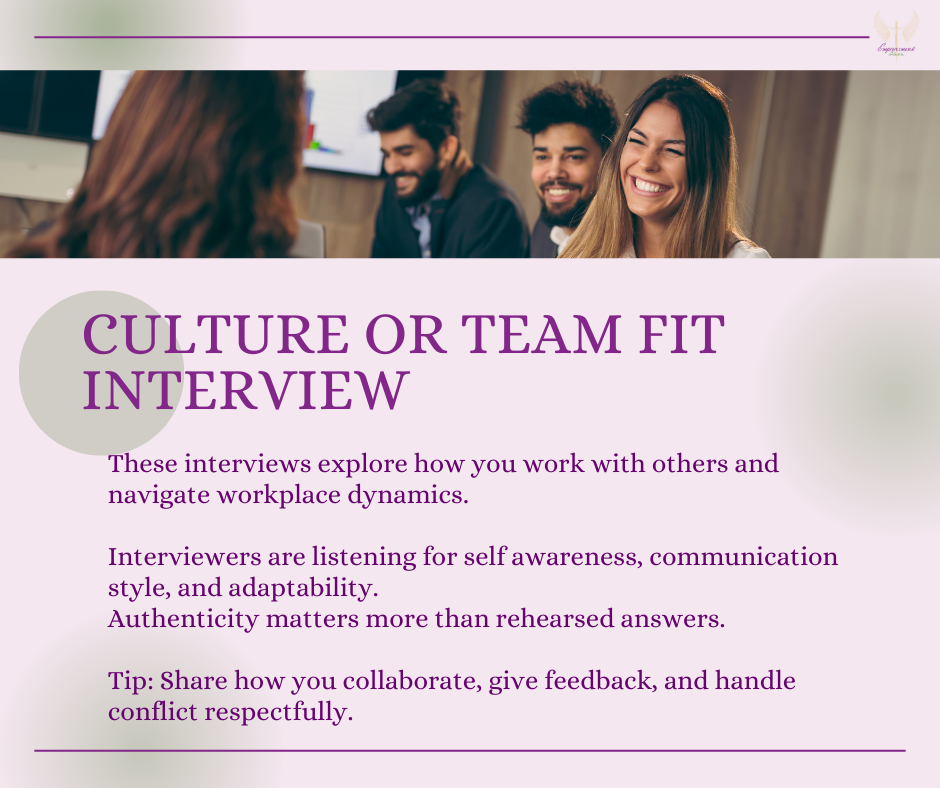
Not all interviews are designed to evaluate the same things. This carousel breaks down common interview formats, what each one is actually assessing, and how to prepare so you can focus your energy where it matters most.
Understanding the type of interview you are walking into helps reduce anxiety, clarify expectations, and avoid preparing in ways that work against you.
3. Build a personal story bank, not one perfect answer
You do not need a unique story for every question.
Instead, create a small set of versatile stories that demonstrate
• Problem solving
• Conflict or challenge
• Collaboration
• Leadership or initiative
• Adaptability or learning
These stories can be reused and reframed for different questions. Practicing how to pivot a story to fit multiple prompts is far more effective than memorizing answers.
4. Prepare examples that include mistakes or growth
Many candidates avoid sharing anything imperfect. That is a mistake.
Recruiters often listen more closely when someone can
• Acknowledge a challenge or misstep
• Explain what they learned
• Show how they adjusted their approach
These answers signal self awareness, accountability, and growth. Those qualities matter more than flawless performance.
5. Research the role, not just the company
Most candidates research the company mission and stop there.
Better preparation includes
• Understanding what the role actually owns day to day
• Noting skills or tools repeated across similar job postings
• Identifying what problems this role is likely being hired to solve
This helps you tailor answers to what the team actually needs, not just what sounds impressive.
6. Prepare questions that show judgment, not just interest
Avoid generic questions that can be answered by the website.
Strong questions focus on
• How success is measured in the role
• What challenges the team is currently facing
• How priorities shift during busy or stressful periods
• What support looks like during onboarding
These questions help you assess fit while also signaling maturity and intentionality.
7. Job searching is a numbers game, but not a volume contest
Applying to more roles does not always lead to better outcomes.
Many candidates see stronger results by
• Applying to fewer roles with stronger alignment
• Spending time tailoring resumes and preparing for interviews
• Treating interviews as learning opportunities, not pass fail tests
Quality and consistency tend to outperform mass applications over time.
8. Debrief after every interview
Whether you get an offer or not, take five minutes to reflect.
Write down
• Questions you struggled with
• Stories you want to refine
• Gaps you noticed in your preparation
• What felt strong
This turns interviews into skill building, not just outcomes.
Recruiter reality check
Interviews are not about saying the perfect thing. They are about demonstrating how you think, communicate, and solve problems. Preparation that focuses on clarity and reflection consistently outperforms rehearsed answers.
